
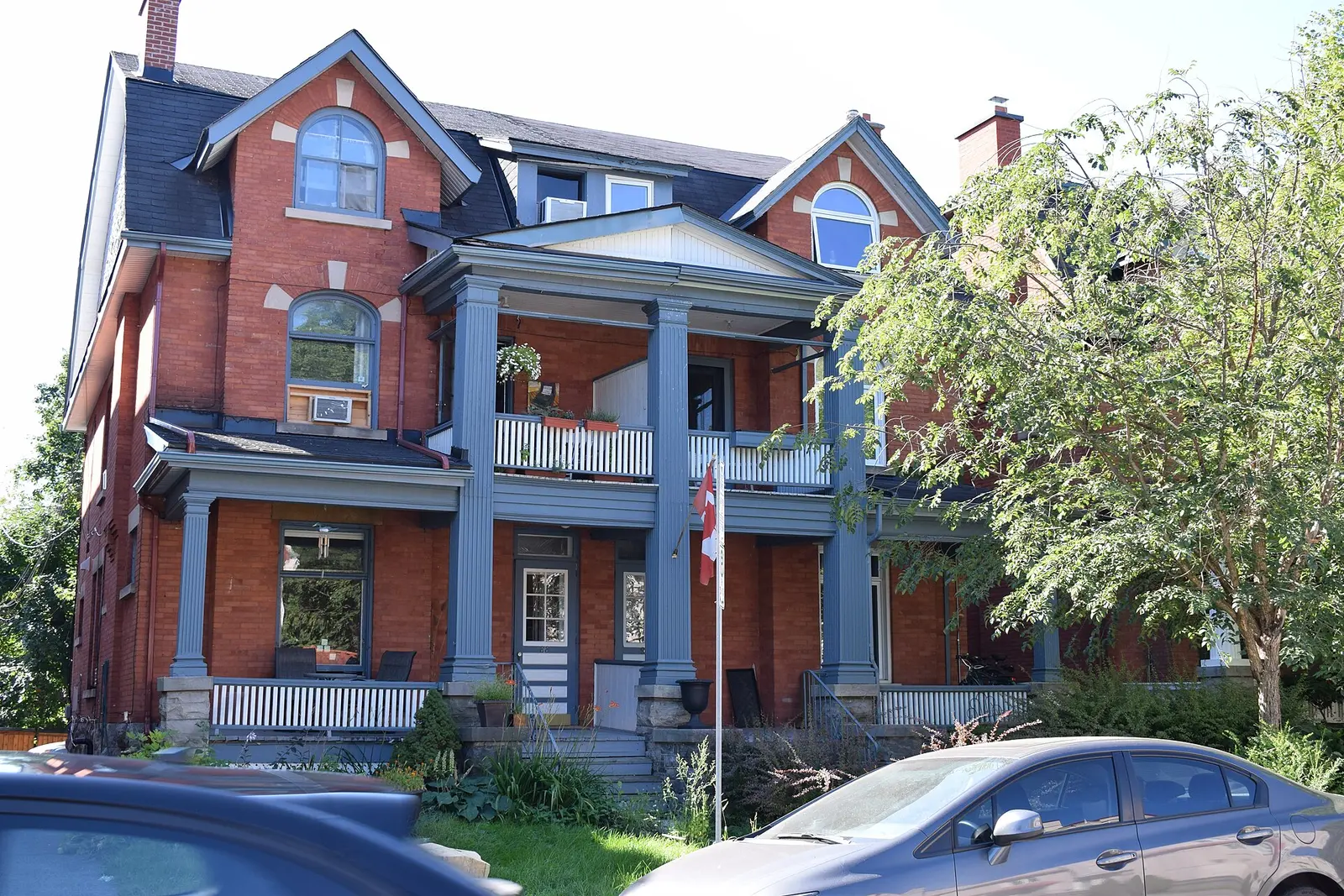
Central Ottawa's older neighbourhoods are full of solid brick houses with tall ceilings, deep porches and original trim. They are wonderful to live in and rewarding to renovate, as long as you plan for what decades of earlier repairs have left behind the walls.
Wiring
Knob-and-tube wiring and early ungrounded circuits are still found in older homes. Insurers often ask about them, and a renovation is the best time to replace them, because walls and ceilings are already open.
Plumbing
Galvanized steel water lines narrow with corrosion over time, and old cast-iron drains crack. Lead service lines may also be present in older neighbourhoods. Replacing what is exposed during a renovation avoids opening finished walls later.
Plaster and Lath
Plaster walls are solid and quiet, and often worth keeping where they are sound. Where they have let go of the lath, sections are replaced with drywall and blended in. Before any demolition, suspect materials are tested for asbestos, and older paint is treated as if it contains lead.
Foundations and Basements
Many older homes sit on stone or rubble foundations with low basements. Lowering a basement for more headroom means underpinning or a bench footing, both designed by an engineer and covered by a permit. Insulating stone walls needs a method that lets them dry.
Heritage Districts
Parts of central Ottawa are heritage conservation districts. Exterior changes there, such as additions, new windows on the street side or porch rebuilds, go through a heritage permit before the building permit. Work inside the house usually does not.
Planning Ahead
The best approach with an older house is to investigate early: open a few walls, look at the basement and attic, and test materials before the design is final. Surprises still happen, but far fewer.