
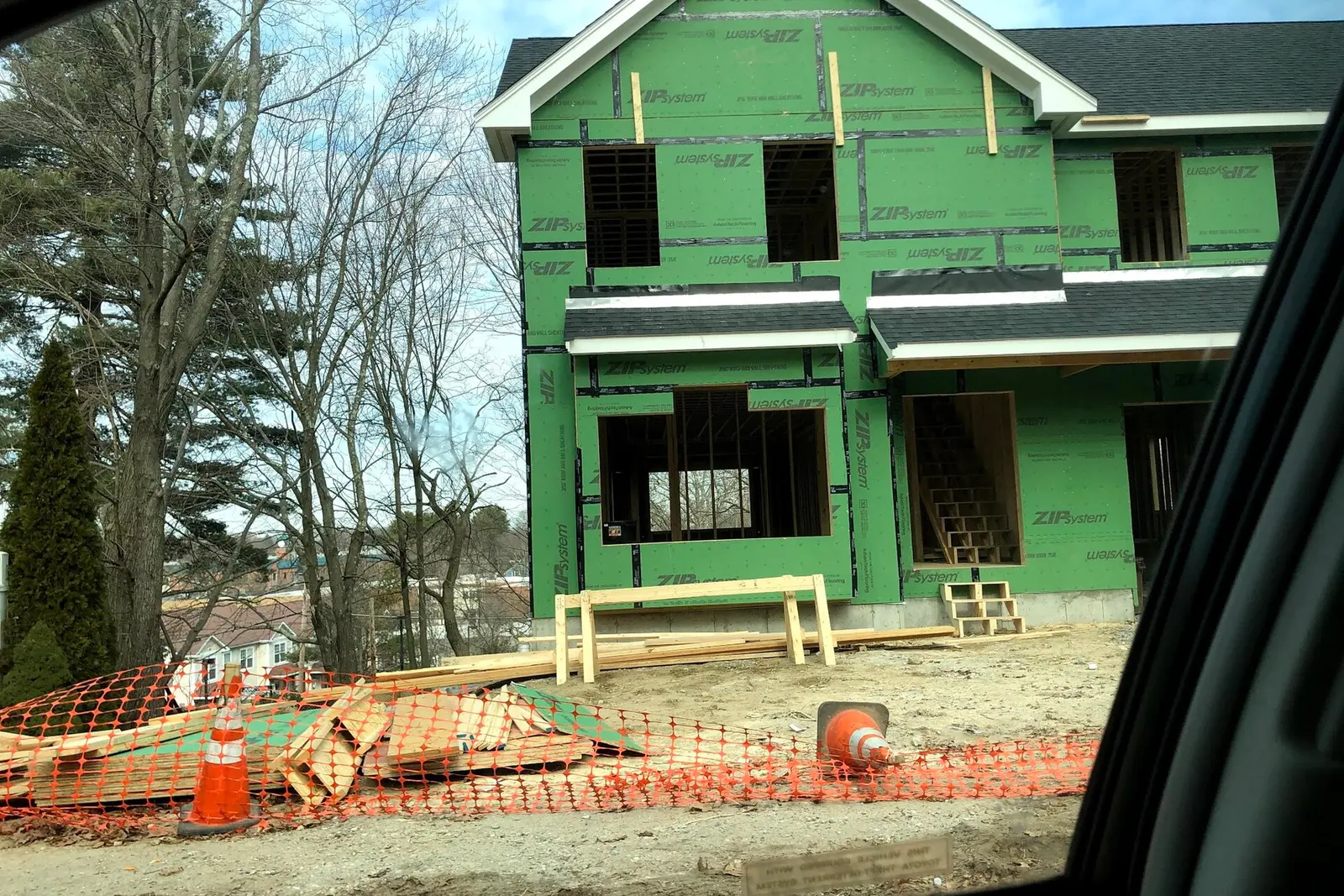
Much of the Ottawa Valley was once under an inland sea, and the fine clay it left behind is still under parts of the region today. Often called Leda clay, or sensitive marine clay, it behaves differently from ordinary soil, and it matters most when you are building something new against or beside your house.
Why It Matters
Sensitive marine clay shrinks as it loses moisture. In a dry summer, or where large trees draw water from the soil, the ground under a foundation can settle unevenly. That can show up as cracks in foundation walls, sticking doors and sloping floors.
Trees and Foundations
Trees with large root systems can dry the clay around them. The City of Ottawa has guidance for planting trees near foundations on these soils, and it is worth keeping in mind when you plan where an addition or coach house will sit relative to existing trees.
Additions and Coach Houses
A new foundation built beside an older one can settle differently. Where clay is suspected, the footing design may call for a geotechnical review, which looks at the soil under your lot and recommends how deep and how wide footings should be. That review is far cheaper than repairing a cracked addition later.
Decks
Large or tall decks on clay soils still need footings below the frost line, and on sensitive clay the footing type and depth deserve the same care as an addition.
What to Ask Your Contractor
- Is my property in an area known for sensitive marine clay?
- Will the footings need a geotechnical review?
- How will the new foundation tie in to the existing one?
- How will drainage be handled so water does not collect against either foundation?
The Takeaway
Clay is not a reason to avoid building. It is a reason to find out what is under your lot before the footings are designed.